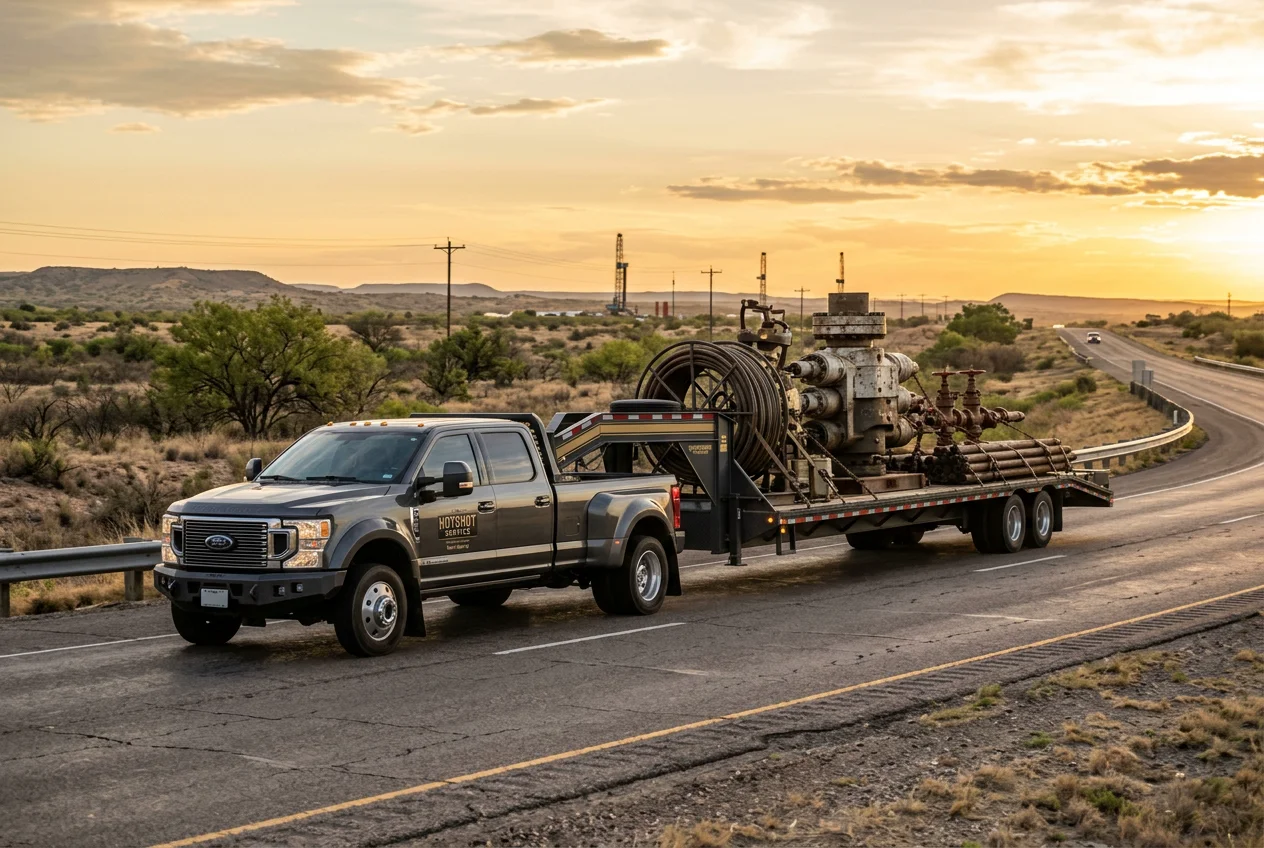
This truck dispatch FAQ covers what owner-operators and small fleets ask before hiring a dispatcher: who needs authority, whether dispatch pays off, how loads get booked and what you sign. Candor Trucking dispatches dry van, reefer, flatbed, hotshot, box truck and power only on US loads in all 48 states. Each answer links to the full details.
Truck Dispatch FAQ: Getting Started
To use a dispatch service, you need active operating authority, insurance on file and a signed dispatch agreement. The dispatcher then books loads under your authority, not its own.
What does a truck dispatcher do for an owner-operator?
A truck dispatcher finds and books freight for your truck so you can keep driving. That means searching load boards, calling brokers, checking each lane against your rate floor and lining up your next load.
At Candor Trucking, that also covers rate negotiation, broker setups, rate confirmation review, check calls and detention, layover and TONU follow-up. See how dispatch works with Candor Trucking.
Do I need my own authority to use a truck dispatcher?
Yes, if you haul for-hire freight across state lines. Your dispatcher books loads under your FMCSA operating authority and insurance, and brokers check that your authority is active before they book you.
New to authority? See dispatch for new authorities.
Do truck dispatchers need broker authority?
It depends on the dispatcher's work. Under FMCSA's June 2023 guidance, a dispatcher working for you under a written agreement, paid by you and kept out of broker payments, generally doesn't need it.
Dealing with shippers, taking pay from brokers or factors, or choosing which of several carriers gets a load points the other way. See our dispatch process.
How is a dispatcher different from a freight broker?
A dispatcher works for the carrier and finds loads for your truck. A freight broker sits between the shipper and the carrier, arranges the move and must hold FMCSA broker authority.
Your dispatcher books through brokers; it doesn't replace them. How Candor Trucking books loads shows the flow.
Can you dispatch a new authority?
Yes. Candor Trucking dispatches carriers of all authority ages, including new authorities under 90 days. Some brokers limit loads for newer authorities, so expect fewer load options at first.
See what new carriers should expect.
What do I need to get started?
Have these ready: your MC authority, certificate of insurance (COI), W-9 and a signed dispatch agreement. If you use factoring, add your notice of assignment (NOA).
At Candor Trucking, first broker setups usually take 1–2 business days once your documents are complete. The step-by-step onboarding shows what happens next.
What equipment and areas do you dispatch?
Candor Trucking dispatches dry van, reefer, flatbed, hotshot, box truck and power only. We book US loads for US-based carriers anywhere in the 48 contiguous states, including local and regional runs. We do not dispatch hazmat or oversize loads, or fleets of more than 20 trucks.
Tell us your equipment, home base and preferred lanes when you sign up. Here's how lane planning fits into our process.
Do you dispatch fleets with more than 20 trucks?
No. Candor Trucking dispatches owner-operators and small fleets of 1 to 20 trucks. Fleets larger than 20 trucks usually need an in-house dispatch team. See how our fee works for fleets.
Do you dispatch hazmat or oversize loads?
No. Candor Trucking does not book hazmat loads or oversize and permitted loads. We dispatch legal-size freight on dry van, reefer, flatbed, hotshot, box truck and power only. See how we match loads to your equipment.
Is a Truck Dispatcher Worth It?
A truck dispatcher is worth it when better rates, fewer empty miles and the hours you get back add up to more than the fee. Use the answers below to check the math on any dispatcher, including Candor Trucking.
How does Candor Trucking charge for dispatch?
Candor Trucking charges 5–11% per load, depending on equipment, with no setup fee and no weekly minimum. With any dispatcher, ask whether the fee is figured on linehaul only or on the full rate confirmation.
See our dispatch pricing for the full breakdown.
How do I know if a dispatcher is paying off?
Measure the same number of weeks before and after you start. Track your average rate per loaded mile, your empty miles and the hours you spent on calls and load boards.
If the extra revenue and time saved beat the fee, it's working. Run the math against our pricing.
How and when is the dispatch fee charged?
Candor Trucking sends you a weekly invoice, and you pay it directly using whichever of several payment methods is easiest for you. FMCSA's guidance treats payment from you, not from the broker or your factoring company, as a sign the dispatcher is acting as your agent.
If a dispatcher wants its cut from the broker, ask why. See billing details on our pricing page.
Do I pay if my truck doesn't move?
No. With Candor Trucking you owe $0 in weeks your truck doesn't roll. Ask every dispatcher whether the fee applies in weeks your truck doesn't run, and get the answer in the written agreement.
A fee tied to booked loads means the dispatcher earns only when you do. Read how our fee works.
Do you guarantee a number of loads?
Yes. Candor Trucking guarantees 3–4 loads per week. The guarantee covers how many loads we book, not miles or weekly gross, which depend on your lanes, equipment and the market. See what you pay for those loads.
Loads, Lanes and Rates
You should keep the final say on every load, and your dispatcher should book through brokers for you. FMCSA's guidance treats both as signs of an agent relationship. Ready to talk lanes? Get a Dispatcher.
Do I approve every load?
Yes. Forced dispatch means a carrier must haul whatever the dispatcher books, and Candor Trucking doesn't do it. You approve every load before we book it.
FMCSA's guidance ties more carrier control to a dispatcher acting as your agent rather than as a broker, so your final say matters for more than your schedule. See how load approval works.
Where do the loads come from?
Dispatchers book through freight brokers and load boards, often the same boards you can log into yourself. The difference is time: a dispatcher can work them all day while you drive.
Candor Trucking works DAT One, Truckstop and other major load boards, plus direct broker relationships. Here's how we find loads.
Who negotiates rates and handles the paperwork?
Candor Trucking negotiates your rate and accessorials, completes broker packets, reviews each rate confirmation with you and follows up on detention, layover and TONU. Whoever handles it, read every rate confirmation before you roll.
Check the pickup and delivery windows, the detention terms and the total rate. See what's included in dispatch.
Can you plan around my home time and preferred lanes?
Good dispatch starts with your rules: home time, lanes you like, lanes you won't run, your minimum rate per mile and how far you'll deadhead. Candor Trucking records them when you sign the agreement and looks for freight that fits them.
Put them in writing at signup. See how we plan your week.
Are you available after hours and on weekends?
Yes. Support for carriers on dispatch runs 24/7, including after hours and Sundays, so a problem at pickup or delivery gets answered. New carrier inquiries are answered Monday–Saturday, 6:00 AM–8:00 PM CT. Contact a dispatcher.
Contracts and Paperwork
Expect a written dispatch agreement, and with some dispatchers a limited power of attorney. Before you sign, read the term, the cancellation rules and exactly what the dispatcher can sign for you.
Is there a long-term contract or cancellation fee?
No. You can cancel Candor Trucking's dispatch agreement anytime with written notice, and the termination fee is $0. With any dispatcher, look for the term, how much notice you must give and whether there's an early-termination fee.
Be careful with long exclusive contracts. To talk through our terms, ask a dispatcher before you sign.
Why does a dispatcher ask for an agreement and limited power of attorney?
The written agreement sets the terms. FMCSA's guidance lists a written contract with the carrier as a sign the dispatcher is acting as your agent.
A limited power of attorney lets a dispatcher sign carrier packets and rate confirmations for you. Check its scope and how to revoke it.
With Candor Trucking, you sign the dispatch agreement and sign each rate confirmation yourself. Review the documents you'll sign.
Can I keep my own factoring company?
Yes. Send Candor Trucking your factor's notice of assignment, and it goes into your broker packets. Under FMCSA's guidance, a dispatcher acting as your agent shouldn't take payment from your broker or factoring company, or sit in the middle of that money.
In the cleanest setup, your factor pays you and you pay the dispatcher. See how payment flows.
How do I get started with Candor Trucking?
Send us your equipment type, home base and the lanes you want to run, and a dispatcher will reply with your rate quote and dispatch agreement in writing. Call (942) 281-1045 or email dispatch@candortrucking.com.
We answer Monday–Saturday, 6:00 AM–8:00 PM CT. Or request a dispatcher online.
What Do Common Truck Dispatch Terms Mean?
These are the terms you'll see on rate confirmations and dispatch agreements, each defined in one sentence.
| Term | What it means |
|---|---|
| Rate confirmation (rate con) | The document a broker sends for one load, listing the rate, pickup and delivery details, and accessorial terms. You sign it to accept the load. |
| Linehaul | The base pay for moving a load from pickup to delivery, not counting fuel surcharge or accessorials. |
| Accessorials | Extra charges on top of linehaul, such as detention, layover, TONU, tarp pay and lumper fees. |
| Deadhead | Miles a truck drives empty, with no paying freight, for example to reach the next pickup. |
| Detention | Pay for time a driver waits at a shipper or receiver beyond the free time on the rate confirmation. |
| Layover | Pay when a load can't be picked up or delivered on schedule and the driver has to wait overnight or longer. |
| TONU (truck ordered, not used) | A fee the broker pays when a load is canceled after the truck has been dispatched to it. |
| Lumper | A worker or service paid to load or unload freight at a warehouse. |
| Factoring | Selling your freight invoices to a factoring company to get paid sooner, minus the factor's fee. |
| Notice of assignment (NOA) | A notice from your factoring company telling brokers to pay the factor instead of you. |
| Forced dispatch | An arrangement where the carrier must haul whatever loads the dispatcher books. Candor Trucking does not use it. |
What Should You Ask a Dispatcher Before You Sign?
Ask these five questions to see whether a dispatcher is working as your agent or operating like a broker without authority. Each one comes from FMCSA's June 2023 final guidance.
| Question to ask | Answer you want | Why it matters |
|---|---|---|
| Will we sign a written agreement naming you as my agent? | Yes, before any load is booked. | FMCSA lists a written carrier contract as a sign of an agent relationship. Arranging loads without one points to brokering. |
| Who pays you? | You do, under the agreement. | Taking pay from brokers or factoring companies points to broker activity. |
| Do you deal with shippers directly? | No. We book through brokers. | Negotiating directly with shippers points to needing broker authority. |
| Do you decide which of your carriers gets a load? | No. | FMCSA calls that allocating traffic, which requires broker authority. |
| Do I have the final say on every load? | Yes. | More carrier control points to an agent relationship. |
No single answer settles it. FMCSA looks at the whole relationship, and how much control you keep is a key factor.
Still Have a Question?
Ask a Candor Trucking dispatcher directly. Tell us your truck, your lanes and what you need from dispatch, and you'll get a straight answer. Get a Dispatcher.
Prefer to read first? Walk through the process or check our pricing.
Talk to a dispatcher
Call or text (942) 281-1045, Monday–Saturday, 6:00 AM–8:00 PM CT. You approve every load, and there is no long-term contract.
Sources and Reference Material
- FMCSA newsroom: FMCSA issued final guidance defining broker and agent roles, including dispatch services, on June 16, 2023.
- Federal Register: Final guidance text, 88 FR 39368.
- 49 CFR 371.2 (eCFR): Regulatory definitions of broker and agent.
- Benesch Law summary of FMCSA final guidance, 88 FR 39368: Whether a dispatcher needs broker authority depends on its activities. FMCSA lists factors pointing away from broker authority (written carrier contract, paid by the carrier, books through brokers, stays out of the money flow) and factors pointing toward it (dealing with shippers, pay from brokers or factors, allocating loads, no written contract). Carrier control is relevant.
- CCJ, FMCSA final guidance coverage: Allocating loads among carriers requires broker authority.
- FMCSA, get operating authority: For-hire interstate carriers need FMCSA operating authority.
- Load Work help center: Brokers check that a carrier's authority is active before booking.
- GetLoaded: Dispatchers often use the same load boards available to owner-operators.
- TrueNorth: Avoid dispatchers who bill while the truck is idle or insist on long exclusive contracts.
- O Trucking dispatch contract checklist: Check what the commission is calculated on, early-termination fees and load acceptance rights.
- Sample dispatcher-carrier agreement: Dispatch packages commonly include a limited power of attorney to sign carrier packets and rate confirmations.